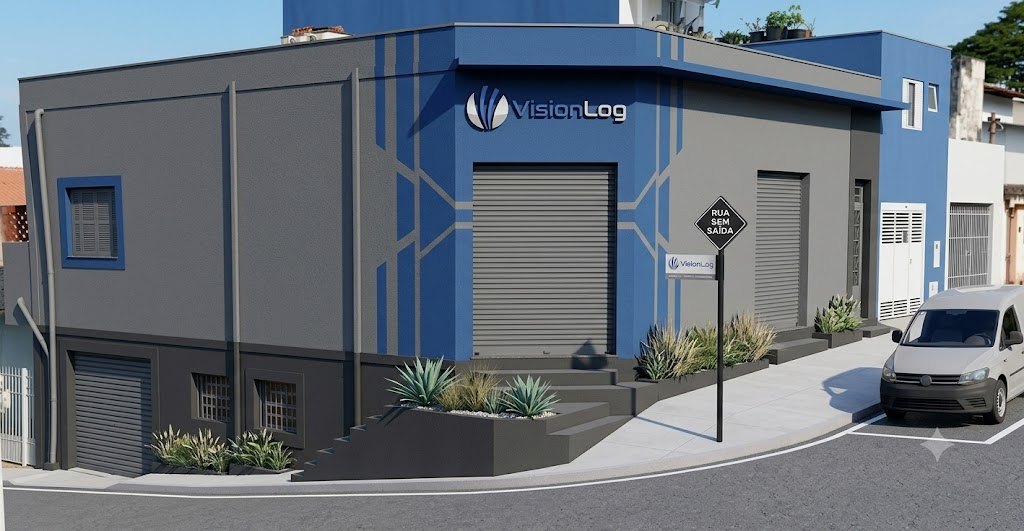
International freight forwarding
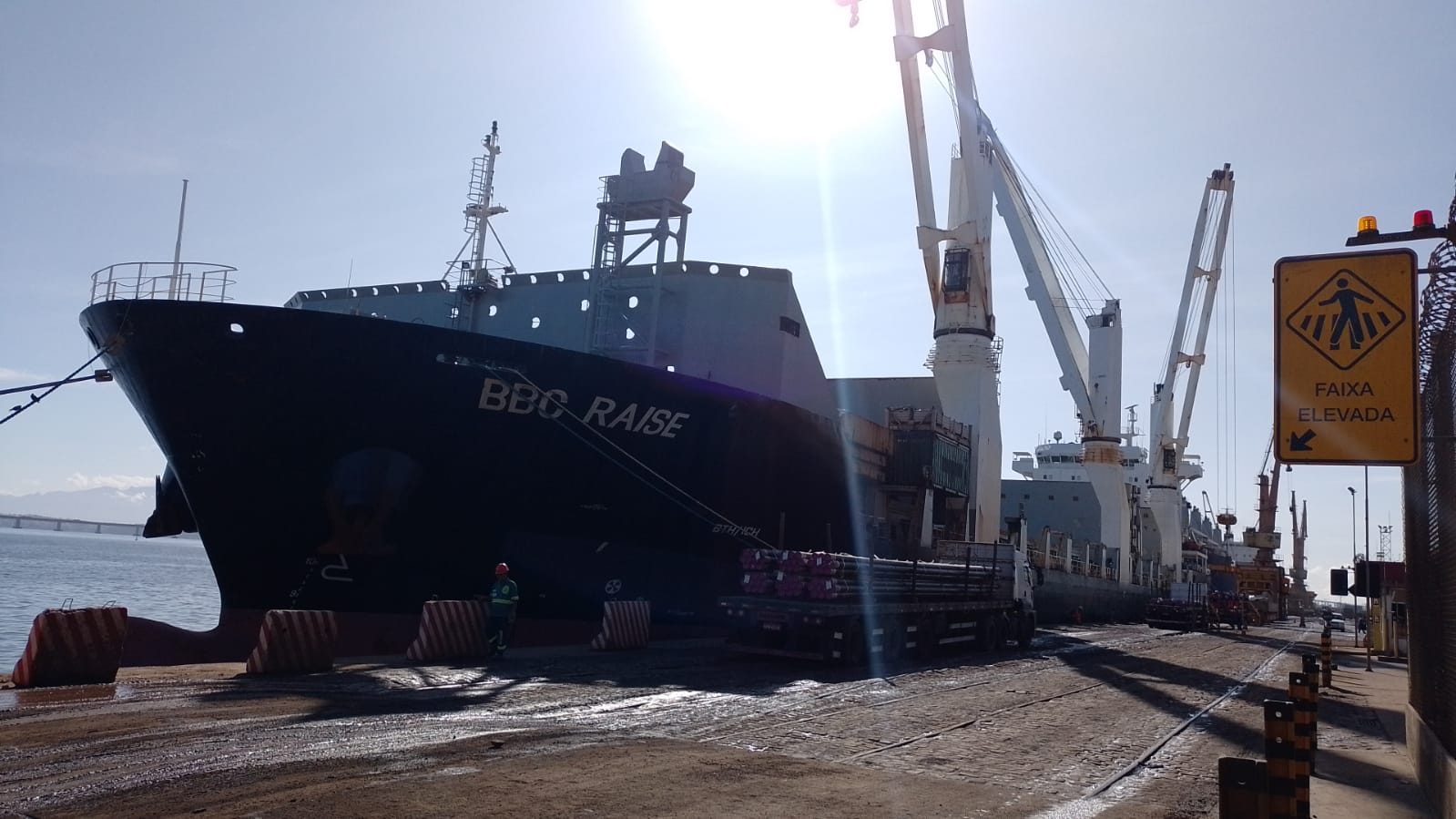
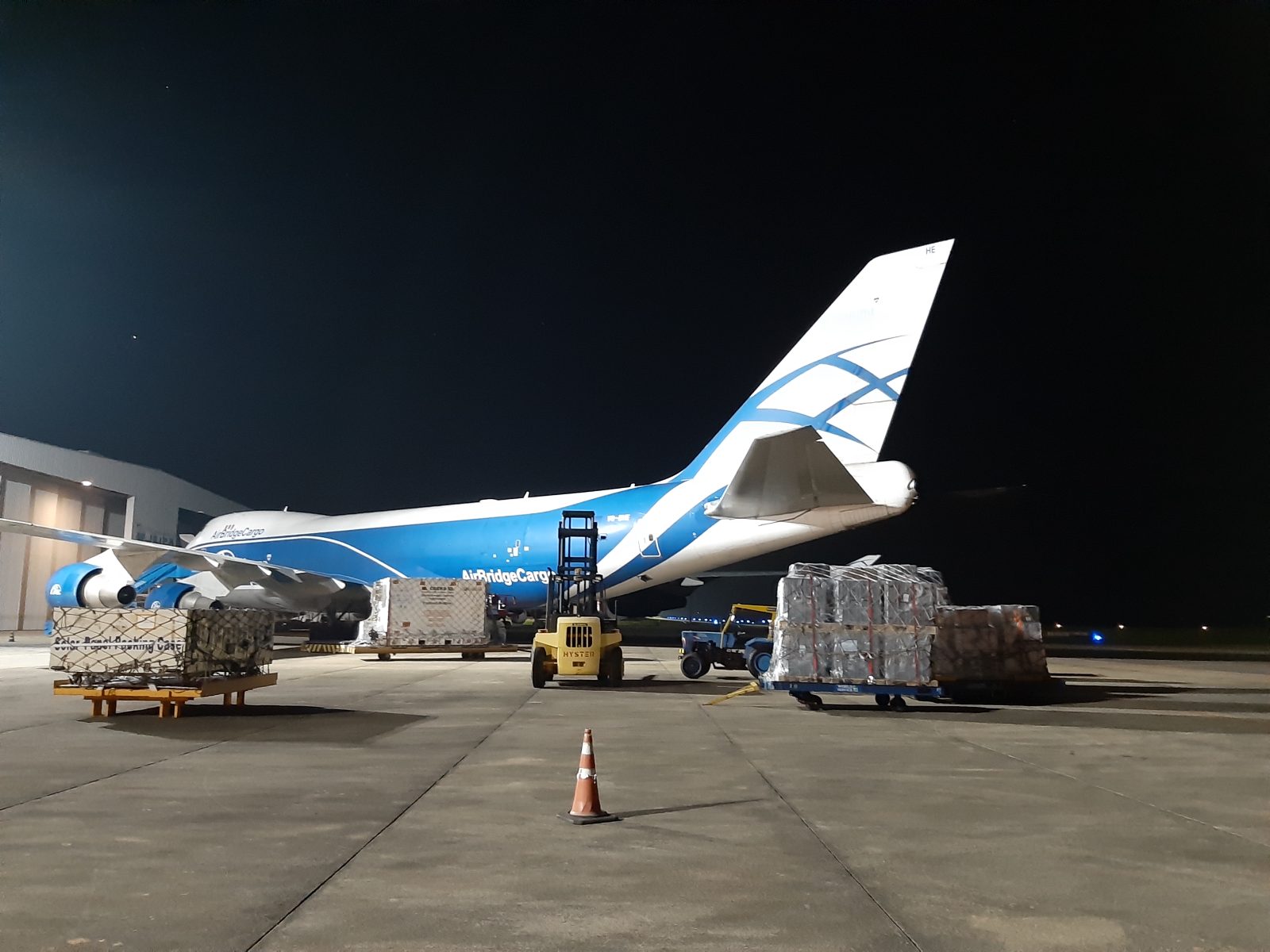
Booking and management of ocean, air and road freight between any origin and destination.

Over 25 years in foreign trade, with governance, technology and operations across 5 continents.
Complete foreign-trade chain
Vision Log has established itself as a team of foreign-trade specialists, led by people who invest their intellectual capital in the sector. Financial, administrative, tax and legal governance, combined with high-technology tools, delivers an agile, secure and flexible operation.
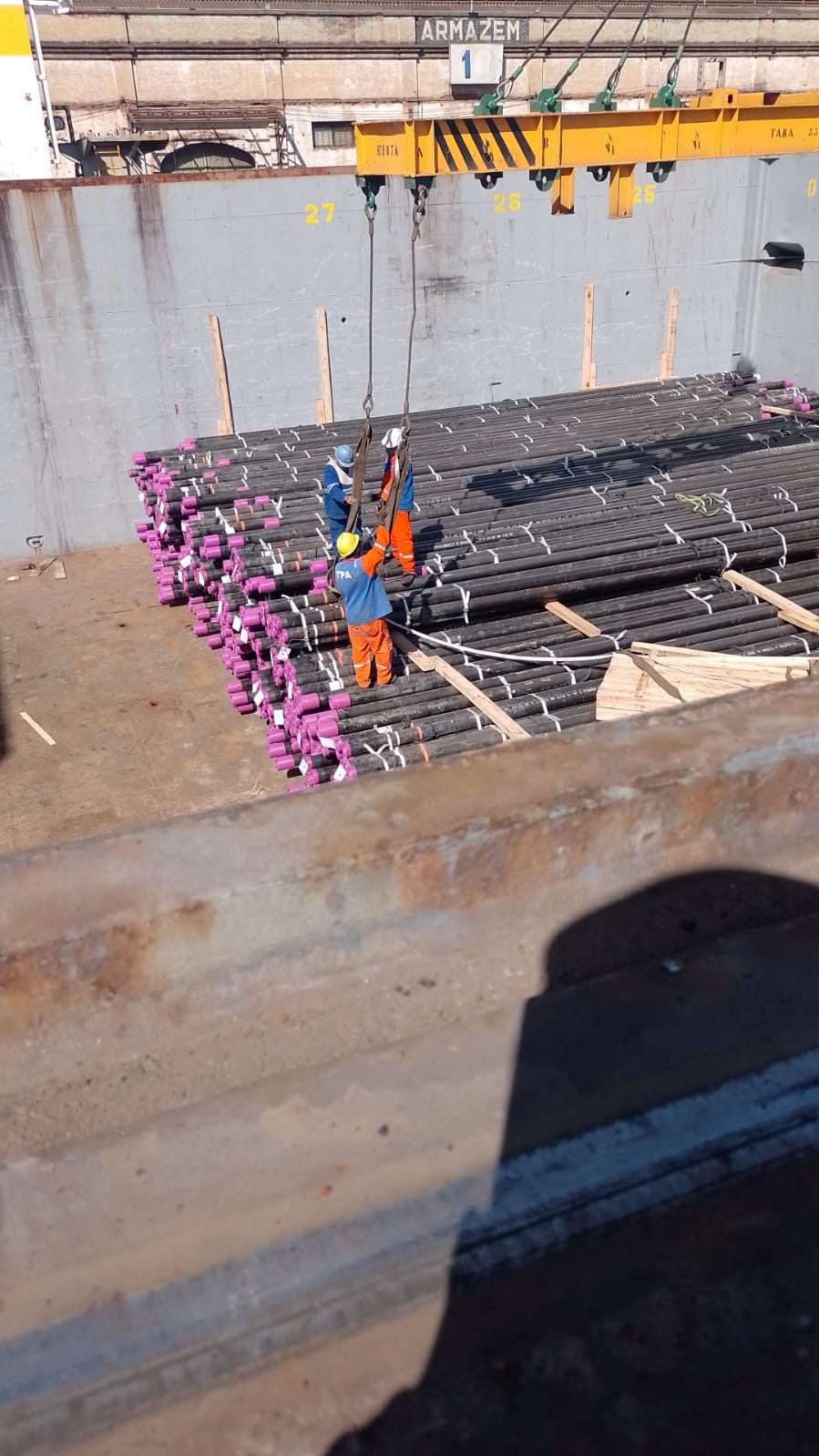
From booking the freight to final clearance — the entire foreign-trade chain with a single partner.
Booking and management of ocean, air and road freight between any origin and destination.
Coordination of domestic transport with end-to-end traceability and deadline control.
Import and export clearance with mastery of legislation and special regimes.
Specialists in multimodal solutions: smart combination of ocean, air and road in a single operation.
Coastal cabotage and domestic and international transport integrated into your logistics flow.
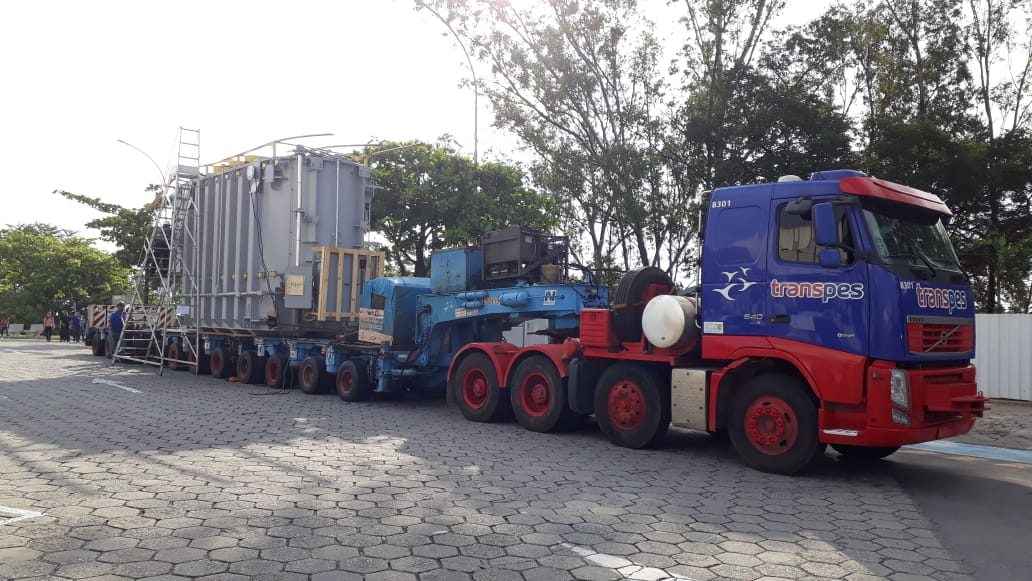
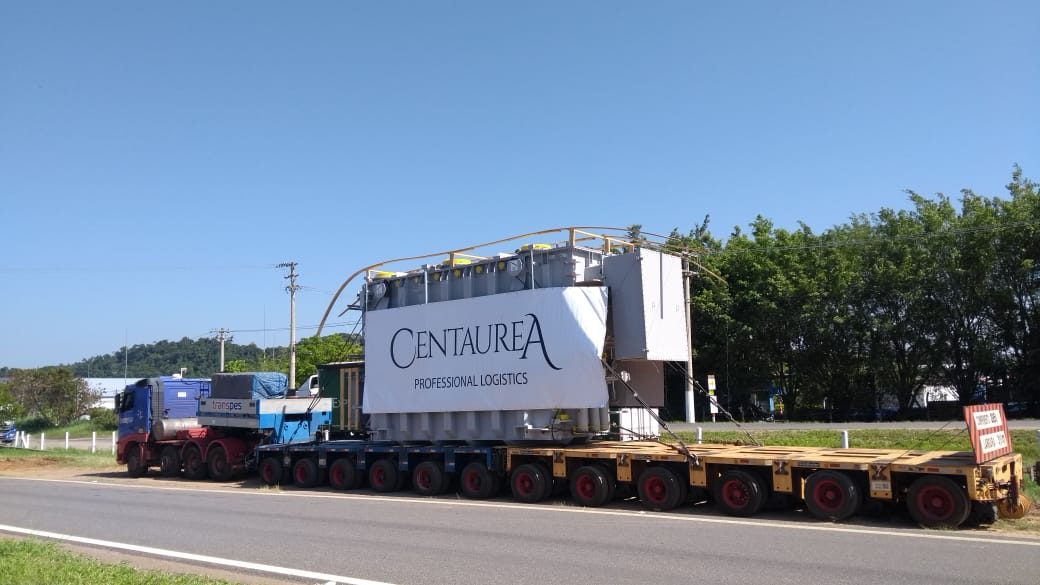
Logistics engineering for out-of-gauge (OOG), oversized and indivisible cargo.
Own fleet and access to container and module stocks to guarantee availability.
Cargo insurance coverage across all modes, in Brazil and abroad.
Warehousing, handling and distribution with an end-to-end management platform.
A comparison of the main modes by transit time, cost, ideal volume and best use case.
| Modal | Avg. transit time | Relative cost | Ideal volume / weight | Best use case |
|---|---|---|---|---|
| Ocean | 25–45 days | Low | Large volumes and heavy cargo | Large-scale import/export (FCL and LCL). |
| Air | 1–7 days | High | Low volume e alto valor agregado | Urgency, perishables, samples and high-value cargo. |
| Road / Cabotage | 3–15 days | Medium | Medium volume on regional routes | Mercosur, coastal cabotage and domestic distribution. |
Transit times and costs are average market references and vary by route, origin, destination and cargo characteristics.
Multimodal transport combines two or more modes — ocean, air, road, rail and inland waterway — in a single operation, under one contract and one point of responsibility. Instead of contracting and managing each leg separately, the client has Vision Log as a single point of control from end to end of the chain.
In practice, this means combining the best of each mode: the economy of ocean on long sea legs, the speed of air on critical connections and the reach of road and cabotage on the last mile. The result is a tailor-made route, with fewer handling steps, lower cost and more predictable deadlines.
Ocean · air · road · cabotage combined according to the needs of each operation.
The AEO — Authorized Economic Operator (OEA in Brazil) is a certification granted by the Brazilian Customs to companies in the foreign-trade chain that demonstrate high standards of security and customs compliance. It is part of the international AEO program, created by the World Customs Organization and recognized by more than 90 countries.
In practice, the AEO seal is an official attestation that the company is a trustworthy, low-risk partner for customs — with audited processes, rigorous cargo control and proven governance. Vision Log is in the final stage of AEO certification, consolidating the level of security and compliance it already practices in its operations.
Priority in the customs flow and fewer inspection channels — your cargo moves faster.
Audited processes and rigorous cargo control reduce risks of fraud, loss and non-compliance.
Fewer stops and holds mean more reliable deadlines and lower total logistics cost.
Through Mutual Recognition Agreements (MRAs), the seal is accepted by customs in more than 90 countries, easing your operations abroad.

Vision Log is the franchisor and owner of the Centaurea® brand — Brazil's first international-trade franchise. For investors and entrepreneurs who want to work in foreign trade with method, brand and support, Centaurea is the way.
Trademark registered with the Brazilian INPI under process No. 908042671, Nice class 39 — logistics and transport services. Filed Jul 30, 2014; granted May 2, 2018. Owned by Vision Log Consultoria Aduaneira, Logística e Transportes Ltda.
Talk to our logistics and foreign-trade specialists. We respond quickly.
Your trusted partner in Brazil
The essentials on foreign-trade operations, freight forwarding, customs clearance and logistics outsourcing.
A foreign-trade operator coordinates the entire import and export chain: freight forwarding, customs clearance, international transport, insurance and documentation.
In practice, it acts as a single point of responsibility between exporter, importer, carriers, airlines, hauliers and customs — ensuring goods leave the origin and reach the destination with time, cost and compliance under control. Typical activities include:
Freight forwarding organizes the international transport of the cargo; customs clearance handles the release of the goods with customs.
They are complementary steps of the same operation. The freight forwarder negotiates space with carriers and airlines, issues the transport documents and coordinates the physical logistics. Customs clearance, carried out by a licensed broker, files the Import or Export Declaration, pays the duties and releases the goods.
On average 1 to 10 business days after the cargo arrives, depending on the inspection channel and the accuracy of the documentation.
The time depends on the channel assigned by the customs system:
Project cargo or OOG (Out of Gauge) exceeds the dimensions of a standard container and requires dedicated equipment and logistics engineering.
These are machines, industrial structures and oversized or indivisible equipment. Transport uses solutions such as flat rack, open top, break bulk or specialized vessels, with route studies, permits and lifting plans. It is a tailor-made operation, from the berth of loading to final delivery.
In most cases, yes. Outsourcing to a specialized operator reduces tax risk, gives access to a global network and frees your internal team.
Maintaining an in-house foreign-trade structure requires specialists, systems and constant legal updates. By outsourcing, the company gains cost predictability, freight-negotiation scale and technical responsibility for clearance — focusing on its core while the operator handles the international operation.