
FCL, LCL or break bulk?
Choose by volume, cargo type and timing.
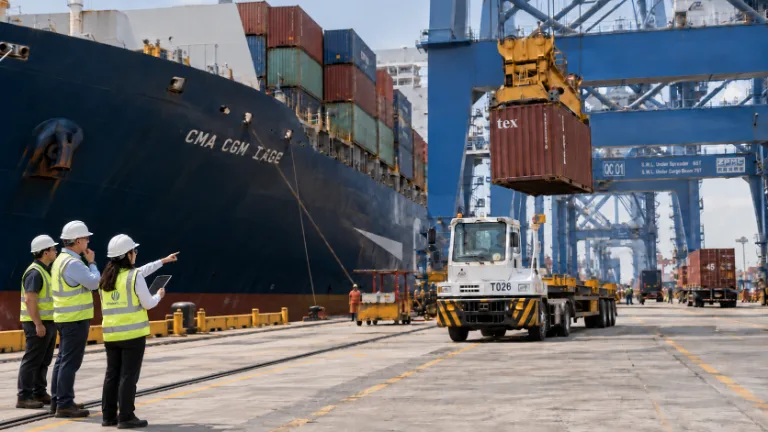
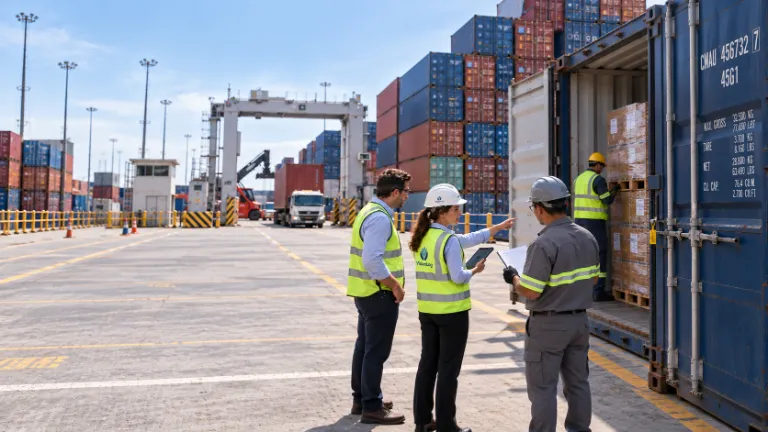
- FCL for volumes that fill a 20′ or 40′ container
- LCL for smaller volumes consolidated with other cargo
- Reefer, open top and flat rack for special cargo
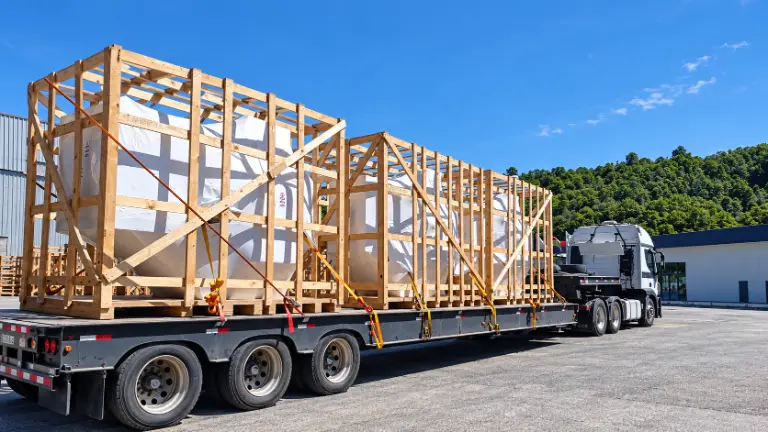
- Break bulk for cargo that does not fit a container
Brazilian port considerations
The port of discharge affects cost, transit time and inland logistics.
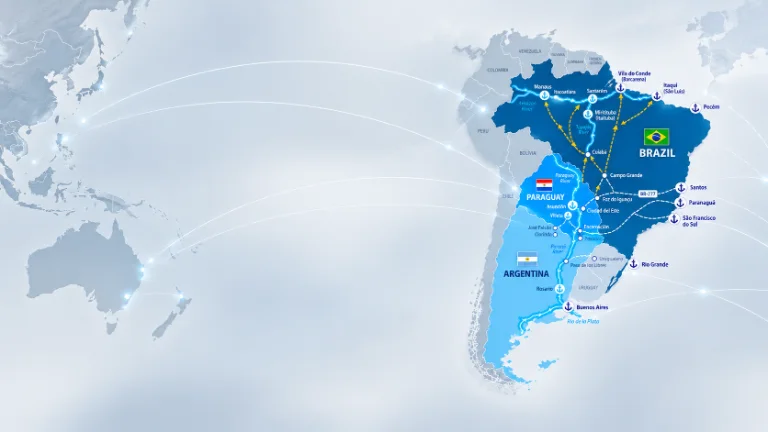
Main container gateways include Santos, Paranaguá, Itajaí/Navegantes, Rio de Janeiro, Suape and Manaus. Berthing windows, terminal storage costs and distance to the final destination should be part of the plan — sometimes an alternative port or coastal shipping lowers the total cost.
Container availability
Vision Log operates its own container fleet and accesses carrier equipment through its network.
This supports availability in peak seasons and for shipments that need specific equipment.
How it works
- QuoteVolume, weight, ports and Incoterm.
- BookingVessel space and container release.
- LoadingStuffing and loading at origin.
- SailingVessel and transshipment follow-up.
- BrazilArrival, clearance and inland delivery.
Typical shipments
- China, Asia and Europe to Brazil container imports
- Exports from Brazil to the Americas, Europe and Asia
- Heavy and bulky industrial cargo
- Recurring FCL programs
What to plan for in Brazil
- Free time and demurrage at the Brazilian port
- Terminal storage while customs is processed
- Verified gross mass (VGM) and cut-off dates
- Inland distance from port to final destination